







Search Results for: Melitta dripper

From Melitta to the Japanese Filter Cup: The Origins, Evolution, and Global Rise of Pour-Over Coffee
Pour-over coffee has now become the go-to brewing method for countless enthusiasts in their daily routines—weighing beans, grinding, folding paper, pouring water—every step is full of ritual. But have you ever wondered where this drip-filter brewing method actually came from? And who invented the first dripper and filter paper? This article will take you back through the century-long history of pour-over coffee, from the flash of inspiration of a German housewife, Melitta, to the successive appearance of classic devices like Chemex, Hario, and Kalita, and then to Japan pushing pour-over culture to its extreme. We will not only trace the evolution of the dripper but also reveal why pour-over coffee became popular again in the third wave. Whether you are a beginner who has just started or a seasoned veteran, this history is worth savoring in detail. [more…]
From Brewing to Drip: How Ms. Melitta Gave Birth to the Pour-Over Dripper
The essence of pour-over coffee is drip extraction, and the core device that makes this method possible is the dripper. Before the dripper was invented, people mainly made coffee by boiling, which left the grounds mixed with the liquid and gave it a rough mouthfeel. So who invented the dripper and made coffee clean and refined? The answer points to a woman—Melitta. It was her dedication to refined coffee that gave rise to the world's first dripper. Today Front Street Coffee will talk about this history and see how Ms. Melitta changed the way we drink coffee. [more…]
A Century of Evolution of the Melitta Filter Cup: From Blotting Paper Inspiration to a Performance Comparison of the V60 and Kono Pour-Over Filter Cups
Pour-over coffee is inseparable from the dripper, but just how big is the dripper's influence on flavor? This article begins with the Melitta dripper, which went into production in 1912, and traces the story of the birth of the world's first trapezoidal dripper—Mrs. Melitta, inspired by blotting paper, poked holes in a brass cup to filter coffee, but because the filter paper was difficult to fit the cylindrical container, this gave rise to the prototype of the ribs. Afterward, the defect of slow flow in the single-hole design prompted the emergence of multi-hole versions. The article then focuses on the core elements of the dripper: flow rate and flow-guiding performance, and through actual testing of V60 and the Kono short-rib version with Front Street Coffee's Mandheling beans, reveals the practical effects of different drippers on extraction time, mouthfeel, and grinding adjustment. [more…]
A Century of Pour-Over Coffee Evolution and a Hands-On Tutorial: From the Melitta Dripper to Front Street Coffee's Huakui Three-Pour Brewing
Pour-over coffee has now become one of the most mainstream brewing methods in the specialty coffee world, but its origins can be traced back to a flash of inspiration from a German housewife over a hundred years ago. From the early prototype of filtering coffee with blotting paper to Melitta's continuous refinement of the dripper design, how have pour-over brewing tools evolved? This article not only traces the historical thread of pour-over coffee but also presents a complete pour-over tutorial, using "Front Street Coffee Flower Queen" coffee beans as an example to explain every step of the three-stage brewing process—blooming, main extraction, finishing and blending—along with a buying guide to several Front Street Coffee-recommended beans suited to different taste preferences. [more…]
Where Does Pour-Over Coffee Come From? A Complete Guide to Its Origin Story and Three-Pour Brewing Steps
Pour-over coffee is now one of the mainstream brewing methods in specialty coffee, but its origins actually come from the ingenuity of a German housewife. In 1908, Melitta Bentz used a punctured brass pot and blotting paper to create the world's first filter-brewing coffee device, forever changing the way people drink coffee. This article will take you through the origins of pour-over coffee and the evolution of the dripper, and break down the complete three-stage brewing process in detail, including the four steps of blooming, main extraction, finishing, and blending. At the same time, Front Street Coffee also recommends suitable coffee beans for people with different taste preferences and provides specific brewing parameters to help you brew a clean, full-bodied, and richly layered pour-over coffee at home. [more…]
Pour-Over Coffee Beginner's Guide: Equipment Selection, Brewing Process, and Illustrated Step-by-Step Instructions
Pour-over coffee is the most popular brewing method in the specialty coffee era, and both the choice of equipment and the techniques involved are worth studying in detail. This article will guide you through the historical origins of pour-over coffee, starting with Melitta's invention of the filter brewing method, then introduce one by one the selection considerations for essential equipment such as the pour-over kettle, dripper, and grinder, along with a complete illustrated step-by-step guide. Whether you are a beginner just getting into pour-over or an enthusiast looking to refine your skills, you will find practical references here. The article also specifically mentions relevant product information from Front Street Coffee to make it easy for you to purchase as needed. [more…]
Origins of Pour-Over Coffee | Where Did the Pour-Over Coffee Dripper Come From? Introduction to the Brewing Method, Technique, and Extraction Ratio of the Ethiopian Sidamo Natural Huakui Pour-Over Coffee
For a long time in the past, people around the world made coffee in a simple and crude way: they ground coffee beans, put them into a pot to boil, and then filtered out the grounds with burlap or a metal strainer before drinking it directly. Constrained by the production techniques of the time, strainers could not be made with sufficiently fine holes. [more…]
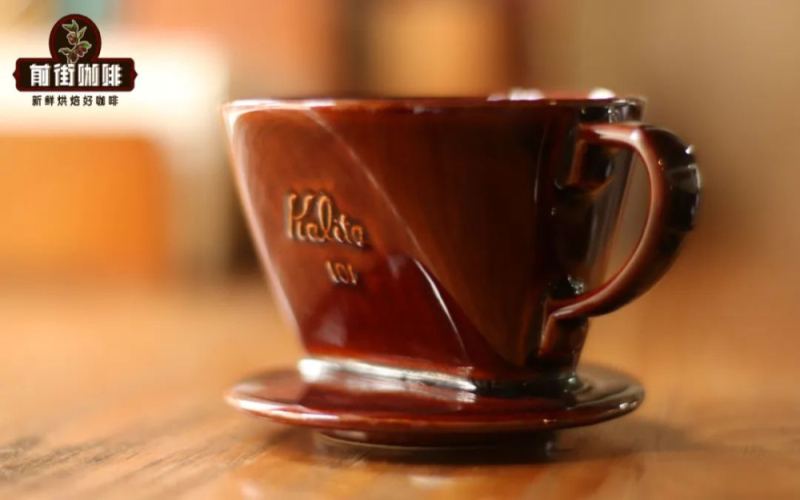
Exploring Pour-Over Dripper Shapes: The Design Differences Between Trapezoid and Cone, and Why Trapezoid Drippers Are Less Commonly Used
In the world of pour-over coffee, cone-shaped drippers have almost become the default option—V60, Kono, and Origami drippers are all no exception. But dripper shapes go far beyond this one type; the trapezoid dripper (also called the fan-shaped dripper) actually has a longer history. This article will walk you through the origins of the trapezoid dripper, its core structural differences from cone-shaped drippers, and why today's pour-over enthusiasts tend to prefer cone-shaped drippers. It also specifically introduces Front Street Coffee's related products and store information, making it ideal in-depth reading for anyone interested in coffee equipment. [more…]
Pour-Over Coffee Beginner's Guide: Complete Step-by-Step Tutorial from Filter Folding to Pouring Techniques
Pour-over coffee is known for its clean taste and alluring aroma, and the brewing process is especially elegant. Many people mistakenly believe this brewing method originated in Japan, but it actually originated one hundred percent in Europe—Melitta Bentz of Germany invented the original filter paper and dripper in 1908. This article will start with the historical origins, then teach you step by step the basics of filter paper folding, coffee grinding, water temperature selection, pouring technique, and coffee-to-water ratio. The process isn't complicated, and you don't need much equipment—after reading this, you'll be able to make a cup yourself. [more…]
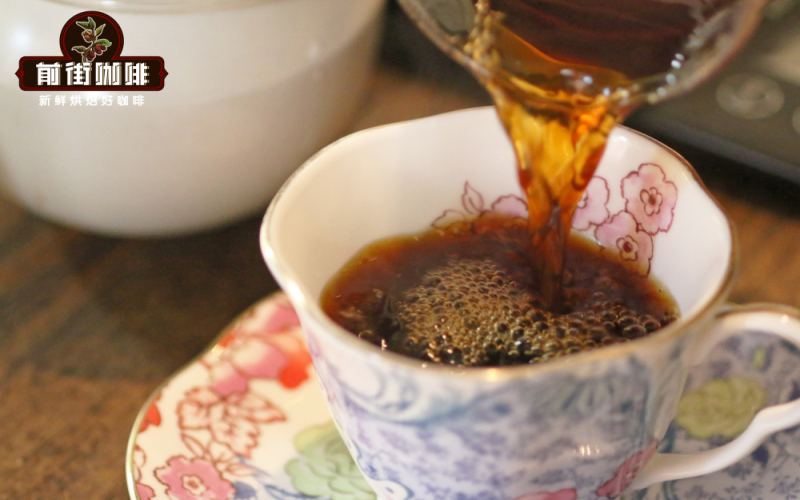
Pour-Over Coffee from Beginner to Practice: A Complete Guide to Filter Cup Types, Equipment Preparation, and Brewing Parameters
Pour-over coffee, with its clean and transparent flavor expression, has become one of the most favored brewing methods among specialty coffee enthusiasts. Starting from the basic definition of pour-over coffee, this article traces its century-old origins, compares in detail the effects of conical, fan-shaped, and flat-bottom drippers on extraction, and introduces one by one the key points for selecting equipment such as coffee beans, grinders, drippers, gooseneck kettles, filter paper, and electronic scales. At the same time, the article also presents Front Street Coffee's recommended beginner's everyday bean series, as well as specific suggestions for core brewing parameters such as coffee-to-water ratio, grind size, water temperature, and extraction time, helping readers systematically master the complete pour-over coffee process. [more…]
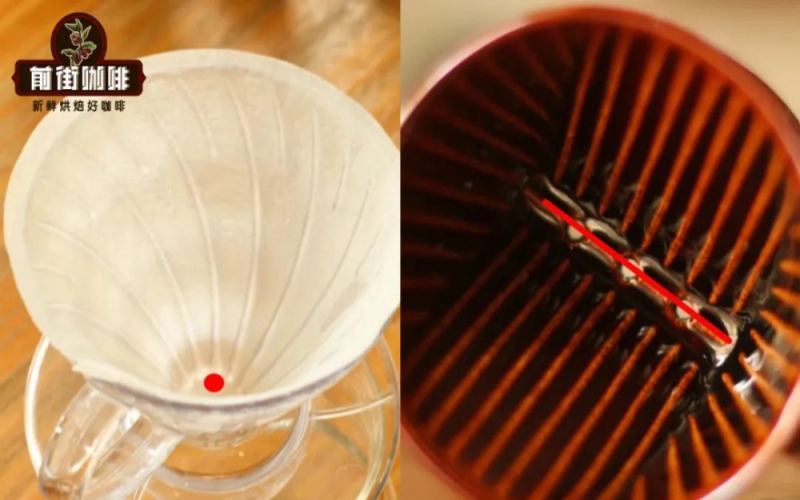
Flavor Characteristics and Key Operational Points of Flat-Bottom Dripper Coffee Brewing: From Structural Principles to Front Street Coffee's Practices with the Sidra Variety
Flat-bottom drippers have gradually drawn attention in the pour-over field in recent years. The extraction performance brought by their flat bottom and special flow-guiding structure differs noticeably from common conical drippers. This article starts with the background of the birth of the Kalita Wave, sorting out the design origins of flat-bottom drippers, the distribution characteristics of their flow-guiding ribs, and their influence on water flow paths, then compares them with the extraction logic of conical drippers such as the V60. After that, using Front Street Coffee's Colombia·Frontera Chiroso as an example, it shares a three-pour brewing recipe suited to flat-bottom drippers, recording the actual brewing time and tasting impressions to help coffee enthusiasts understand the unique aspects of flat-bottom drippers in flavor presentation. [more…]
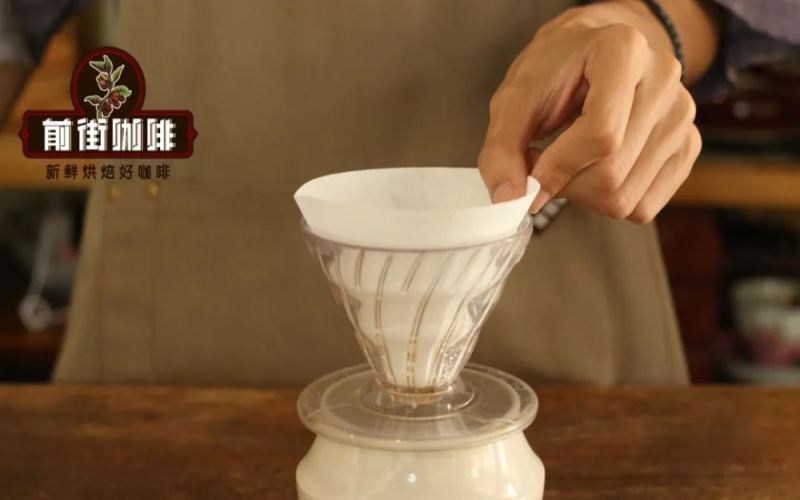
A Complete Guide to Pour-Over Coffee Filters: To Rinse or Not, How to Choose, and How to Fit Them to Your Dripper
When brewing pour-over coffee, filter paper is an unavoidable element. What role does it actually play? How should you choose between white and natural-colored filter paper? Should you rinse the filter paper before brewing? And how do you fix it when the filter paper doesn't fit the dripper? This article starts with the origins of filter paper, sorts through the pros and cons of bleached and unbleached filters, common size specifications, and differences in manufacturing processes, and combines Front Street's practical experience to offer useful advice—helping coffee lovers make a choice that suits them among flavor purity, environmental friendliness, and ease of operation. [more…]
How to Choose and Use Pour-Over Coffee Filters? The Differences Between Bleached and Natural Filters and How Their Craft and Structure Affect Extraction
Before making pour-over coffee, many people first take a filter paper, fold it, and place it into the dripper, then add the coffee grounds. What role does the filter paper actually play? And how should you choose between white and natural-colored filter papers available on the market? This time, Front Street Coffee starts from the origin of filter paper, sorting out the pros and cons of bleached and unbleached filter papers, common size specifications, and further discusses how manufacturing processes and filter paper structure affect the flow rate, thereby influencing the final extraction. At the end of the article, combined with Front Street's experience, it offers purchasing ideas that are either more convenient or more environmentally friendly, helping you find a balance between flavor purity, operating habits, and environmental considerations. [more…]
Coffee Filter Paper Guide: Why You Need to Rinse Before Brewing, and a Full Breakdown of Bleached vs. Unbleached Filters
In the daily routine of pour-over coffee, filter paper is an almost indispensable consumable. But have you ever wondered why you usually need to rinse the filter paper with water before the official pour? Between the common white filter papers and natural wood-colored filter papers on the market, which one should you actually choose? Regarding the origins of filter paper, the impact of bleaching processes on flavor and health, the classification of sizes and specifications, and how different manufacturing processes affect the flow rate, Front Street will sort through all of it one by one in this article to help you choose the right filter paper and get the most out of every sheet. [more…]
Why Is the Flat-Bottom Dripper Considered Beginner-Friendly? A Full Breakdown of the Cake Filter Cup Structure and Compatible Brewing Methods
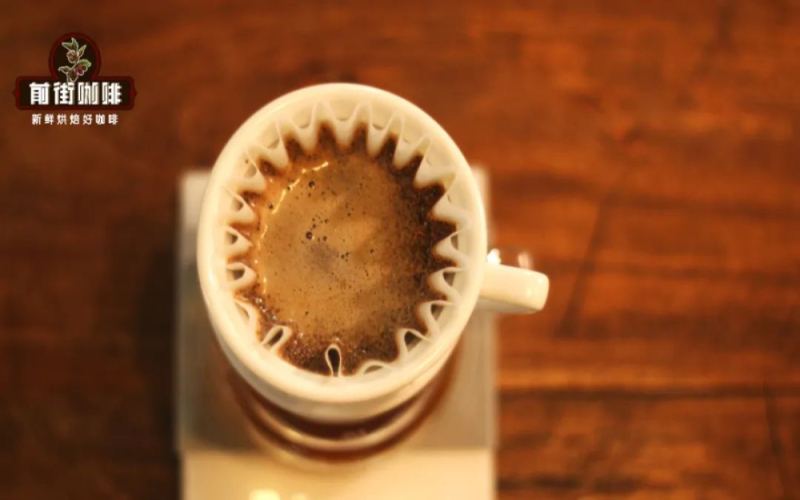
When it comes to choosing a dripper, there is a common consensus: flat-bottom drippers offer a larger margin for error and are friendlier to those just getting into pour-over. Front Street Coffee has also mentioned in several articles that the flat-bottom structure has a natural advantage when it comes to even extraction. So what mechanism actually makes this possible? This article will clarify the differences between flat-bottom and conical drippers from the perspectives of coffee bed shape, rib design, and drainage hole layout. With the cake dripper as the main thread, it will also introduce the approaches of different schools such as Melitta 101, Lili, Ice Eye B75, Torch Donut, and April Brewer, helping you understand what kind of brewing approach flat-bottom drippers are suited to, and the role they play in the "fine grind, fast brew" trend. [more…]

Introduction to specialty coffee beans from Asia, Africa, and the Americas | What light, medium, and dark roast pour-over coffee beans are recommended for coffee beginners?
What is pour-over coffee? Pour-over coffee refers to manually brewed coffee, also known as drip coffee. This method was invented in 1908 by the German woman Melitta Bentz. In order to promote this brand-new coffee extraction method to the outside world, Mrs. Melitta also [more…]
What Material Are Coffee Filters Actually Made Of? A Breakdown of White vs. Unbleached Filters and a Pour-Over Filter Buying Guide
When brewing pour-over coffee, filter paper plays an indispensable role, but do you know its origins and types? Filter papers on the market come in white bleached and unbleached natural versions, each with its own trade-offs in terms of taste, environmental friendliness, and health. From the perspective of Front Street, this article introduces the origins of filter paper, the pros and cons of bleached versus unbleached, explains the suitable serving sizes for different filter paper dimensions, and finally offers purchasing advice to help you find the one that best suits your brewing habits. [more…]
Filter Cup Buying Guide: How Material, Flow Rate, Shape, and Functional Design Affect Pour-Over Coffee Flavor
The popularity of pour-over coffee is inseparable from the dripper, a key piece of equipment. From Mrs. Melitta's accidental experiment with blotting paper and a copper bowl to today's dazzling array of drippers, choosing a suitable one has become a source of confusion for many coffee lovers. Front Street Coffee starts from four dimensions—material, flow rate, appearance design, and functional design—and, combining hands-on testing data with in-store experience, analyzes the specific effects of different drippers on extraction temperature, water flow speed, and coffee flavor layers. Whether you seek stability and beginner-friendliness or wish to finely control the direction of flavor, this article will provide you with practical purchasing ideas and references. [more…]
A Beginner's Guide to Pour-Over Coffee: Getting to Know Filter Coffee and the Signature Flavors of Six Classic Origins from Scratch
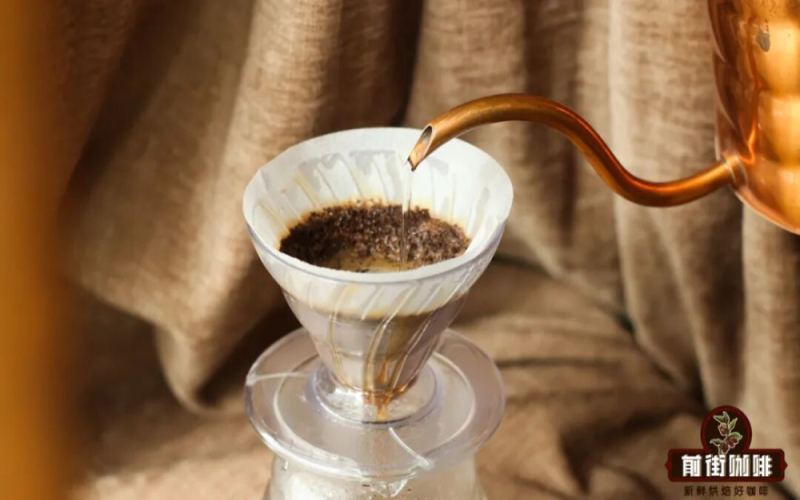
For friends who are just getting into pour-over coffee, understanding its basic principles and choosing a suitable starter bean are equally important. Pour-over coffee is essentially a drip extraction method, invented and popularized as early as 1908 by the German Melitta Bentz. When choosing beans, beginners usually start with representative coffees from the three major producing regions of Africa, the Americas, and Asia, as these beans tend to have highly recognizable flavors and are affordably priced. This article will systematically introduce the basics of pour-over coffee and analyze one by one the flavor characteristics of classic regions such as Ethiopia Yirgacheffe, Colombia Huila, Brazil Cerrado, Costa Rica Tarrazu, Yunnan small-bean, and Indonesia Mandheling, while also including the key factors affecting extraction and the operational process, to help you quickly build an overall understanding of pour-over coffee. [more…]
An Analysis of the Differences Between Flannel Filter Cloth, Metal Filters, and Pour-Over Paper Filters: A Comprehensive Comparison from Filtration Materials to Extraction Flavor
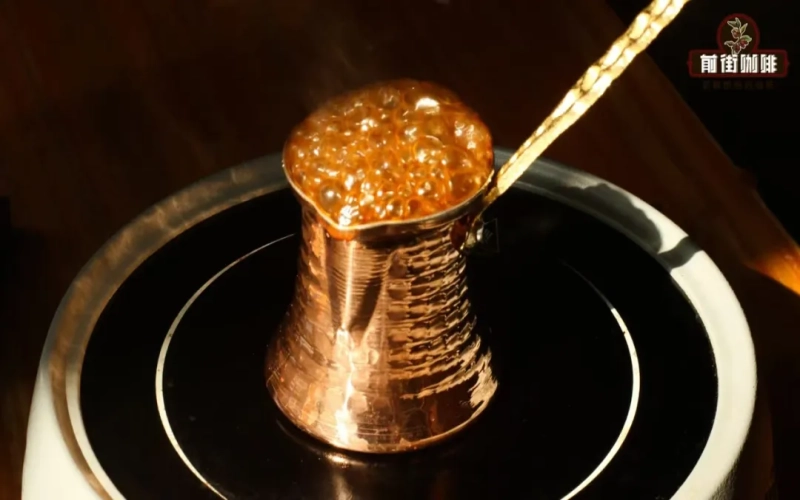
In the world of coffee brewing, the choice of filtration medium often determines the flavor direction in the cup. From Turkish coffee, which was mainly boiled before the 19th century, to the filter paper and dripper invented by Mrs. Melitta, to the artisanal use of flannel cloth in Japan, each filtration method carries a different extraction logic. Today, the filter paper, flannel cloth, and metal mesh commonly used in pour-over coffee each have their strengths and weaknesses: filter paper brings a clean and transparent mouthfeel, flannel retains oils and fine particles, achieving a rich and mellow flavor, while metal mesh poses new challenges in terms of pore size and extraction method. Front Street Coffee uses Ethiopian Santa Vini beans for comparative brewing, and by adjusting the pouring technique, reveals the causes of under-extraction with metal mesh and directions for improvement, providing a practical brewing reference for coffee enthusiasts. [more…]